
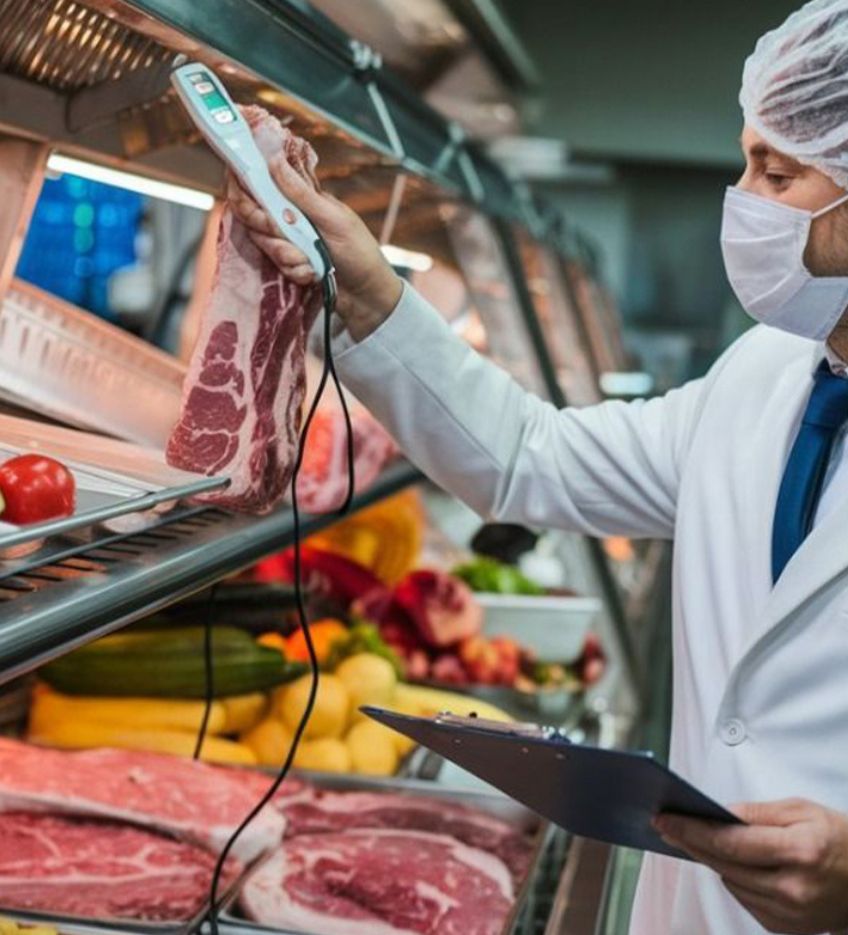
Food safety is one of the most important things for any business that sells food. It is very important to keep your restaurant, cloud kitchen, food manufacturing unit, or catering service clean and up to code. This is when an internal food safety audit is very important. It helps businesses find problems, fix them, and make sure they follow all the rules.
This blog will explain what an internal audit is, why it matters, and how it keeps your business safe and in line with the law.
What does it mean to audit food safety in the company?
A food safety audit is a planned check that your business does to see how well it follows the rules for keeping food safe. It checks to see if your company follows the rules set by groups like HACCP, FSSAI, or ISO. This audit is usually done by trained internal staff or consultants. The main goal is to find problems, fix them, and keep making food safety systems better.
Why is an internal food safety audit important?
Food businesses are directly in charge of public health. A small mistake can lead to contamination, legal issues, or a loss of trust from customers. An internal food safety audit can help stop these kinds of risks from happening.
Here are some key advantages:
Makes sure that people follow the law
Finds holes in safety and cleanliness
Helps things run more smoothly
Gives customers faith in your brand and reputation.
Prepares you for inspections from the outside
Regular audits make sure your business doesn't have to deal with problems.
What an Internal Audit Looks At
An internal food safety audit checks out different parts of your business. These are:
1. Taking care of your hygiene
We check the staff's health, uniforms, and how well they wash their hands.
2. How to Handle Food
We talk about the right way to store food, the right temperature to cook it at, and how to keep it from getting dirty.
3. Hygiene and Cleaning
They look at how often they clean, what chemicals they use, and how they keep things clean.
4. Putting things down on paper
We look at things like temperature logs, information about suppliers, and standard operating procedures (SOPs).
5. Buildings and Tools
We check the machines to see how well they are working, how well they are being taken care of, and how clean they are.
These areas make sure that every part of your process is safe.
Steps to Follow for an Internal Food Safety Audit
An audit isn't hard to do if you plan ahead. This is an easy process:
Step 1: Make a plan
Set the audit's limits. Write down the places that will be checked.
Step 2: Visit the site and see how things work
Talk to the staff and look over the records.
Step 3: Look for the holes
Make a list of any problems or risks you find that don't follow the rules.
Step 4: Tell someone about it
Write a clear report that includes what you found and what you think should be done.
Step 5: Do the right things
Fix the problems that have been found right away.
Step 6: Check In
Check to see that all changes were made correctly.
If you follow these steps, your internal food safety audit will be useful and work.
Common Problems That Come Up During Audits
When food businesses are checked, they often have the same problems. Some common problems are:
People who work there who don't wash their hands
Food kept at the wrong temperatures
No papers
Cleaning methods that don't work well enough
Materials that have gone bad
An internal food safety audit can help find these problems early on and stop bigger ones from happening later.
How often should you check?
How often you need to have audits depends on the size and type of your business. But you should check your own food safety at least once every three to six months. Companies with a lot of employees or that are high-risk may need audits more often. Checks that happen regularly make sure that things keep getting better and that rules are followed.
Conclusion
You don't just do something once to keep food safe. You have to watch it, work on it, and stick with it all the time. An internal food safety audit is a great way to help you get there. Regular audits help you find risks, make sure that cleanliness is up to par, and make sure that everyone follows the rules. This not only protects your customers, but it also makes your brand look better. In today's competitive market, making sure food is safe is a big part of building trust. Companies that put audits and compliance first always come out on top.
FAQs
1. What is the main purpose of an internal food safety audit?
The main goal is to find risks, make sure the rules are followed, and improve the company's food safety practices.
2. Who can do an internal food safety check?
It can be done by trained employees of the company or by professional food safety consultants.
3. How long does it take to do an audit?
It usually takes a few hours to a whole day, but it depends on how big the business is.
4. Do you need to have an internal audit?
It is not always necessary, but it is highly recommended for compliance and easy inspections from outside.
5. What happens next?
We make a report and fix the problems we found by doing the right things.