
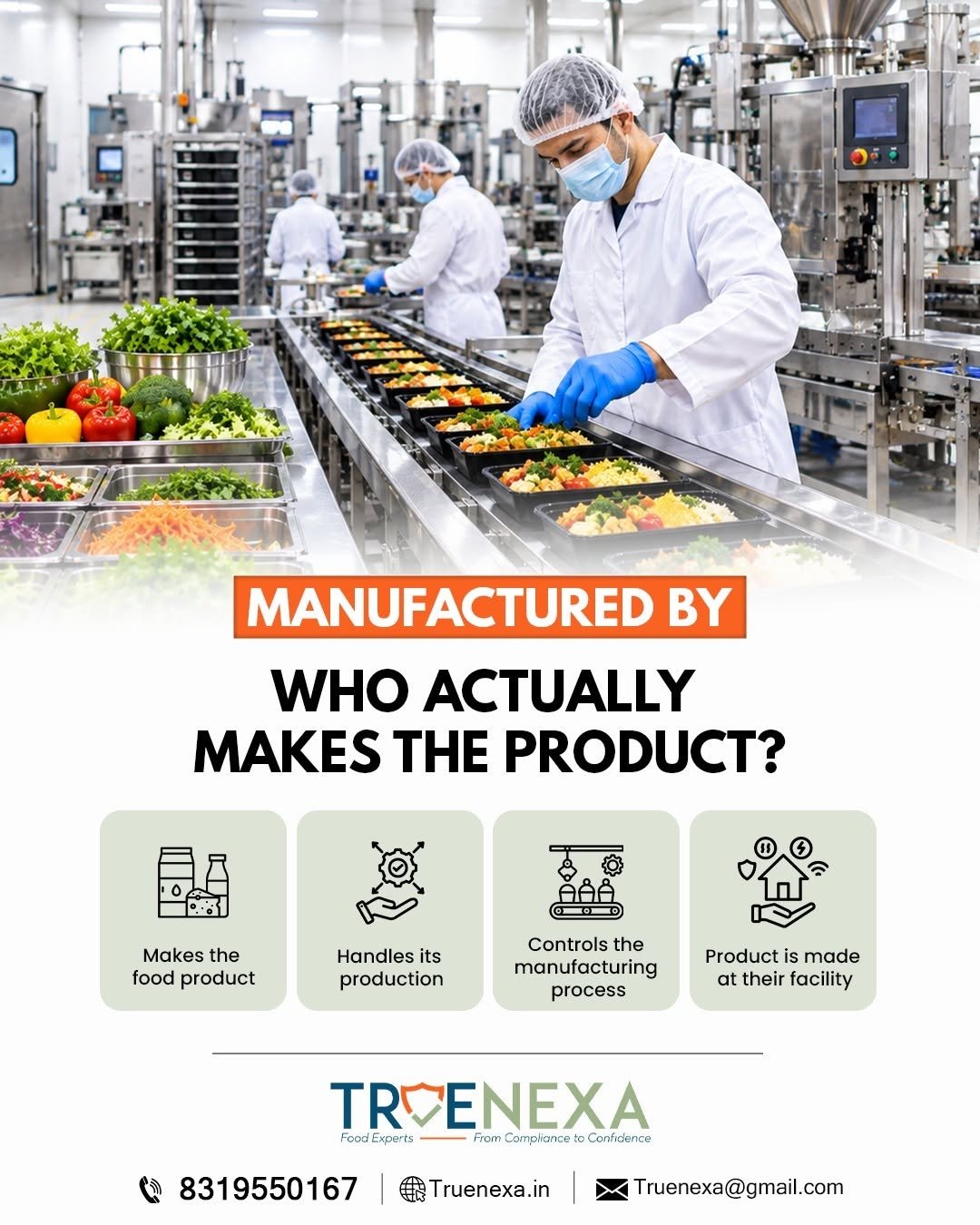
Food Hygiene Audits | Identifying Risk Factors Before It Is Too Late
Maintaining food safety still remains one of the obligations of food businesses. Clean kitchen premises, proper food storage, competent personnel, and correct documentation contribute to maintaining food safety.
But despite the best efforts made by food business, it still remains possible to make minor mistakes. The cleaning process can be missed. Food storage temperature can be incorrect. Hygiene practices by the staff can be omitted due to the heavy workload.
That is why food hygiene audits become very necessary for the identification of risk factors before it is too late to do something.
What Is an Internal Food Safety Audit?
An internal food safety audit refers to an evaluation of the day-to-day activities of a food organization, its hygiene procedures, facility, and documentation.
It all comes down to the point that there is a need to identify food safety gaps beforehand.
An audit can evaluate:
- Personal hygiene of food handlers
- Cleaning and sanitation
- Food storage
- Temperature control
- Pest control
- Waste disposal
- Equipment and surfaces
- Food handling practices
- Employee training
- SOPs and records
And it is not just about spotting weaknesses; a proper audit will allow the company to learn why the issue exists and how to solve it in the future.
Why Do We Need Food Hygiene Audits?
Food establishments operate under challenging conditions. There could be many different establishments such as restaurants, hotels, cloud kitchens, caterers, food production facilities, and retailers that have to process considerable quantities of food products.
As work gets hectic, there might be some safety aspects that get overlooked.
For instance, a food handler might skip the hand washing at the appropriate time. The temperature inside the refrigerator is not logged. A task might be completed, but there is no documentation of it.
Although all these things might seem insignificant, they pose potential food safety risks.
Food hygiene audits allow a business to get a clear picture of its operations. This way, owners and managers can identify any deficiencies and address them.
They can also help a business prepare for outside inspections and certification.
What Is Checked by Food Safety Hygiene Audit?
An accurate audit involves inspection of the working environment and documentation on which the food safety system is based.
1. Personal Hygiene
Personal hygiene is crucial to food safety. The audit covers aspects of hand washing, clean clothes, protection measures, and food handling procedures.
It also requires that staff know basic rules of hygiene and situations in which they need to wash their hands and not to touch food.
2. Cleaning and Sanitation
Areas such as food contact surfaces, utensils, equipment, floors, walls, storage facilities, and others must be clean.
In addition, it needs to be checked whether cleaning schedules are followed and documented.
3. Food Storage
Food needs to be stored correctly to reduce contamination and spoilage.
This can include checking fridge and freezer temperatures, food separation, stock rotation, packaging, and others.
4. Pests Management
Pest problems could pose major threats to food safety. The audit will examine whether there are proper measures of pests management as well as documentation of pests presence.
5. Record Keeping
There is more to food safety than just actions that take place within the kitchen. Proper record keeping is also a requirement.
Auditors can check various records such as cleaning records, temperature records, pest management records, training records among others.
Problems Identified by Food Safety Audits
Food companies may be unaware of all the gaps in their daily processes.
Some of the common issues include:
- Inadequate hand washing
- Inappropriate food storage
- No temperature monitoring
- Dirt in machinery
- Improper waste disposal
- Inadequate pest control
- Stale SOPs
- Incomplete documentation
- Cross contamination
- Not adhering to procedure
A food safety audit should never be aimed at criticizing employees. It should rather be geared towards understanding the issue and developing a proper solution.
One of the reasons why food safety audits are beneficial is that they make invisible issues apparent.
How Truenexa Supports
Truenexa provides support to food companies in terms of improving their food safety system through audit and compliance assistance.
Services offered by Truenexa include:
- Hygiene and safety inspections
- SOP review and record check
- Food safety risk assessment
- Compliance risk assessment
- Corrective action reporting
- Recommendations for problems identified
Truenexa does not just focus on ensuring that the company ticks all boxes. Truenexa ensures that the company understands their weaknesses and improves its practices.
This can also prepare the company for audits.
What is Involved in an Internal Audit?
Internal audits may be conducted through the following process.
Step 1: Understanding the Business
Firstly, the auditor understands the nature of the food business, its processes, products, and operations.
Step 2: Premises Inspection
Inspection of the workplace premises includes looking into hygienic issues, food handling, storage, cleanliness, equipment and other safety aspects.
Step 3: Document Review
Documents such as SOP, checklist, and other food safety documentation are reviewed.
Step 4: Gap Identification
Gap identification is done in such a way that issues are recorded to understand the business’s weaknesses.
Step 5: Corrective Actions Planning
Correction plans for each of the significant issues are made so that responsibility can be assigned to act.
Step 6: Follow-Up
Follow-up is useful in ensuring that the correction plans are being implemented.
Difference Between Internal and External Audit
The internal audit is usually performed to help an organization to find and rectify its own food safety issues.
The external audit is performed by an independent auditor based on certain standards.
Both these types of audit have their importance. Internal audits enable organizations to identify and rectify any issues that might be there before conducting an external audit.
Therefore, food hygiene audits play an integral role in the food safety process.
Commonly Asked Questions
What are food hygiene audits?
Food hygiene audits are systematic assessments of food preparation, cleaning, storage, staff hygiene, documentation, and any other food safety process in place at a food business. These allow food businesses to identify any weaknesses and rectify them.
Who needs a food safety audit?
Restaurants, hotels, cloud kitchens, caterers, food manufacturers, warehouses, retailers, and any other food business will benefit from conducting internal audits.
What if an audit identifies an issue?
The issue is noted, understood and then rectified. A suitable corrective measure is then developed and follow-up can be carried out to ensure the identified issue is resolved.
Can I do an audit ahead of an FSSAI inspection?
Yes. A food business can conduct an audit in order to prepare for an FSSAI inspection or third-party audit.
Why Truenexa?
Truenexa offers pragmatic food safety and compliance services. Our auditing service involves hygiene inspections, documentation review, identifying gaps and implementing corrective actions among others.
Conclusion
Food safety begins with good daily practices. However, without regular auditing, little holes may escape detection.
Food hygiene audits assist food organizations in detecting these holes, understanding their risks, and taking appropriate action.
Through proper auditing process and professional guidance, food organizations will be able to improve hygiene, documentation, training, and prepare themselves for audits and inspections.
Through Truenexa, food organizations can adopt a more proactive attitude towards food safety—since prevention is better than cure.