
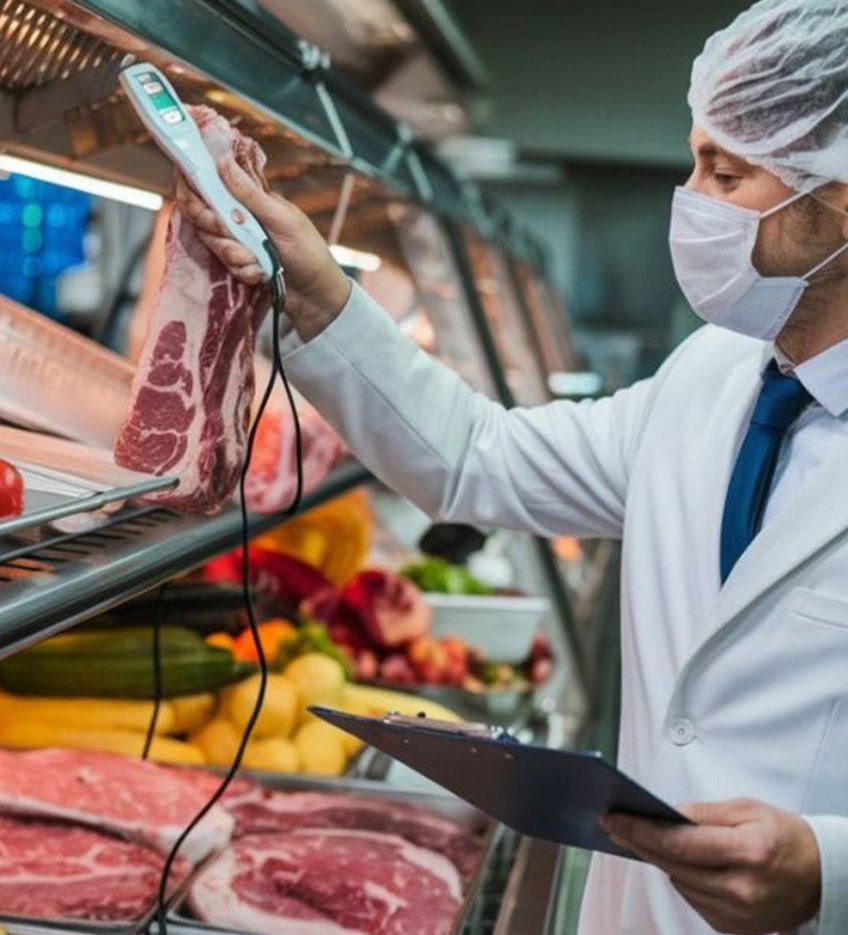
The food business has to keep things clean and safe; they can't just do it. If you own a restaurant, a food manufacturing business, or a catering business, following the right safety rules will help keep your customers safe and your brand's good name strong. A food safety audit is very important right now. A well-planned audit can help find problems, improve processes, and make sure that rules are followed. It also helps people and businesses trust each other more.
In this blog post, we'll talk about what a food safety audit is, why it's important, and how it can help your business.
What does it mean to check food for safety?
A food safety audit looks at how you keep your food, how clean you are, and how safe your food is. It makes sure that your business is following the rules set by groups like ISO, HACCP, or FSSAI. The audit includes checking out the buildings, going over the paperwork, and seeing how things work. It makes sure that the food your company serves is always safe and tastes good.
Why the Food Safety Audit Is Important?
Food businesses can get sick, dirty, and break the rules, to name a few things. Regularly checking food safety lowers these risks and keeps your business running smoothly.
Here are some important reasons why audits are necessary:
- Makes sure that people follow the law
- Makes food safer and better quality
- Lessens the risk of contamination
- Makes people trust and believe in you.
- Keeps you out of trouble and helps you avoid getting fined.
- Regular audits help businesses keep their high standards and stay ahead of the competition.
Key Parts of a Food Safety Check
A professional audit looks at a lot of different parts of your business. These are:
1. Cleanliness and health
Auditors look at the kitchens, storage areas, and equipment to see how clean they are. To keep things clean, you need to clean them the right way.
2. How to handle food
This includes how food is kept, cooked, and served. Keeping food safe and fresh is important.
3. Keeping track of papers and records
It's very important to keep track of cleaning schedules, temperature logs, and procedures. A food safety audit checks that all the paperwork is in order.
4. Staff who teach
People who work for you need to know how to stay safe and clean. Auditors make sure that employees know and follow these rules.
5. Getting rid of bugs and trash
If you want to keep the environment clean, you need to find good ways to get rid of trash and bugs.
Food safety audit services have a lot of good things about them.
How Food Safety Audit Services Work
Professional auditors look at your business in a certain way:
Step 1: First Look
Experts look at what you do now and see if there are any holes in it.
Step 2: Check out the site
They come to your business to make sure it's safe, clean, and that everything is done right.
Step 3: Look over the articles
We check the records and procedures to make sure they follow all the rules.
Step 4: Reporting
The full report has the results and suggestions in it.
Step 5: Making things better
You get help fixing things and making them better.
You can be sure that your business meets all safety standards if you do these things.
Who Should Get a Food Safety Audit?
All kinds of food businesses need to have food safety audits, such as
- Where to eat and drink
- Companies that make food
- Services for catering
- Kitchens in the cloud
- Putting food in boxes
You must follow the rules for food safety no matter how big or small your business is.
How to Get Ready for a Food Safety Check
Make sure that all of your papers are up to date and in the right order.
- Give your workers regular training.
- Check that everything is clean.
- Follow the rules to keep food safe.
- Do some checks on your own before the audit.
- To put everything into practice
- Auditing Your Food Business — Step by step.
Conclusion:
The main purpose of doing an audit of your food business is to ensure that your food business is clean and safe, as well as compliant with the law. The benefits of conducting a food business audit include maintaining compliance with laws, improving efficiency in your operation and creating a positive experience for your customers. If you hire professionals to conduct an audit of your food business, you will be able to identify potential risks, improve processes and create a positive image of your business in the marketplace. Maintaining a superior level of safety in the food business industry is the key to achieving long term success due to the high competition in this field.
FAQs
1. Why are food safety audits done?
Food safety audits identify if a company complies with food safety regulations regarding sanitation and safety.
2. When should I be checking for my food safety?
You should be conducting audits at least once every three months or annually depending upon the size of your operation and/or the requirements for your business.
3. Who verifies the safety of food?
Audits of food safety are typically conducted by individuals who have extensive knowledge of food safety regulations. This can include either internal employees that have been formally trained in food safety auditing procedures or external experts.
4. What happens if an audit determines that a company has failed to comply with regulations?
When a business fails, it gets a report that tells it what went wrong and how to fix it. To meet compliance standards, changes need to be made.
5. Do you need to have an audit of your food safety?
Yes, in many cases, audits are necessary to keep licenses and follow the rules set by the government.