
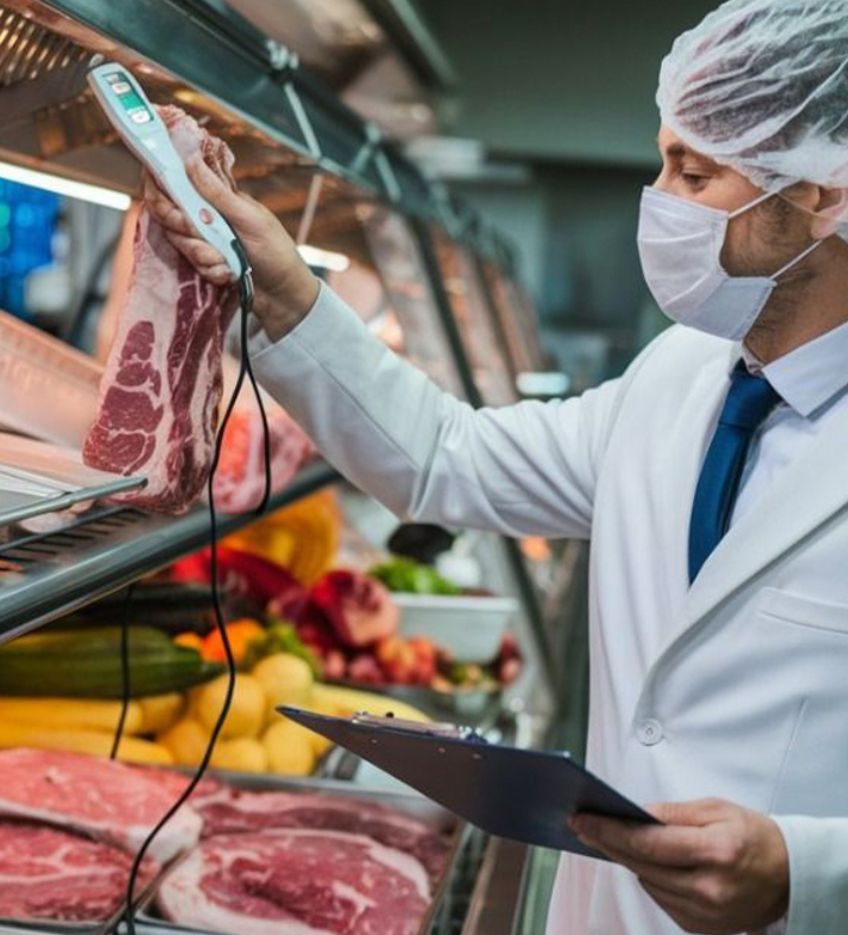
Food safety is one of the main responsibilities of any food business. If you are an owner of a restaurant, food manufacturing unit, catering service or food packaging company, then it is important to follow food safety standards. Consumer awareness of food quality is peaking, and regulatory authorities demand companies follow strict compliance rules.
A food safety audit is an examination of an organization’s food handling practices, identification of potential risks and compliance with food safety regulations. Regular audits are not just a consumer protection but also a way to improve business efficiency and reputation.
True Nexa is a food safety consultant and audit assistance provider for food companies looking to enhance their compliance systems.
What is Food Safety Audit?
A food safety audit is an inspection process which examines the activities of a food manufacturing, storage, distribution and handling organization to ensure that the business follows all the rules and standards set forth regarding food safety.
During the audit, such activities as food hygiene practices, employee education, record-keeping, cleaning, pest management and food storage are inspected among other issues. The main aim is to identify ways of improving and reducing food safety hazards.
Why They Are Important-
Contaminated food might lead to serious health issues, legal action, product recalls and damage a brand’s image. Audits of food safety help companies identify potential risks before they become big problems.
The main advantages include:
- Higher quality and safety of products
- Greater regulatory compliance
- Increased consumer trust
- Lower chances of developing any diseases from the products
- Improved efficiency
- Positive brand image
Best Practices for a Food Safety Audit
1. Quality documentation
The documentation forms the basis for food safety compliance. Documentation of cleaning schedules, employee training, approved vendors, temperature logs, corrective actions taken.
Good records make you easier to be audited and show auditors and regulators you are compliant.
2. Staff training should be a priority
Food safety training for employees. Staff should be regularly trained in hygiene practices, procedures for handling food, personal cleanliness and prevention of contamination. A successful food safety audit is often a reflection of how well the employee training programs are doing.
3. Maintain Good Hygiene
Cleanliness has got to be throughout the food chain. Good sanitation practices for equipment, work areas, storage areas and food contact surfaces shall be established and maintained. Routine cleaning and monitoring can prevent contamination and help meet food safety goals.
4. Control at Critical Control Point
Critical Control Points (CCP) are points in a food process where control can be applied to eliminate or reduce a food safety hazard to an acceptable level. These may include cooking temperatures, cooling processes, storage conditions and transportation practices. CCP monitoring ensures food safety during production and distribution.
5. Internal reviews in progress
No waiting on outside inspectors; Internal checks are useful in detecting the problems at an early stage. They enable the companies to take corrective actions before the conduct of the official audits. Routine reviews also help prepare teams to respond to any food safety audits from customers, certification bodies or regulators.
6. Improved Supplier Management
Food safety starts with the trust you have in your suppliers. Ensure suppliers follow quality standards and provide safe raw materials.
Supplier assessment and performance evaluation reduce the risks of entering the production process.
7. Non-conformities to be resolved promptly
Treat audit findings as serious business at all times. Correct all problems that you find and note the corrective action taken. Being responsive shows your dedication to food safety and ongoing improvement.
8. Regulatory compliance
The food industry must continue to adapt to changing food safety regulations and industry standards. • Compliance needs to be an everyday thing, not an event. The more prepared an organization is, the higher the probability of a successful food safety audit.
Typical Food Safety Audit Problems
Getting ready for an audit is a struggle for many businesses.
These include:
- Inadequate documentation
- Unawareness among employees
- Substandard clean-up procedures
- There are no logs being reviewed.
- Ineffective follow-up for correction
- Issues related to supplier compliance
Efforts to manage these challenges proactively may have a great impact on audits and business operations.
True Nexa services for food businesses
We understand that food safety regulations are complex. At True Nexa, our food safety consultants help food businesses make food safety compliance easier. We assist with food safety management systems, internal audits, compliance assessments, document development, employee training, and implementing industry best practices.
Our mission is to help organizations build strong food safety cultures that protect consumers and enable our customers to grow and thrive.
True Nexa offers realistic and adaptable solutions to cater to the requirements of your business in terms of preparation for certification, inspections, or routine compliance check.
Conclusion
Food safety auditing is not only necessary but an essential procedure that guarantees safety and improves business operations. Food businesses need to implement certain food safety systems such as documentation, employee training, critical control point monitoring, and internal audits.
Organizations can benefit from the know-how of specialists like True Nexa to make the audit process more effective and to achieve higher standards of safety and compliance. Today’s food safety audit can provide long-term benefits for your business, your customers and your brand reputation.
FAQs
1. Why must food safety audits be conducted?
Food safety audit refers to the process through which food production and handling procedures are audited for food safety compliance.
2. How Often Should Food Safety Audits Be Conducted?
It is recommended that you conduct audits at regular intervals depending on your requirements.
3. Who should perform a food safety audit?
Audits can be performed internally or by any third party auditor, certification body or consultant.
4. Why must there be documentation for an audit?
Procedures have been established and are followed diligently and efficiently.
5. How True Nexa can assist me in achieving food safety compliance?
True Nexa assists in food safety auditing, food safety management system implementation, training, documentation services, among other activities.